When Reel Multipliers Cascade Into Championship Wagers: Interlinked Mobile Reward Systems Across Virtual Tables and Live Event Markets
Written by Klara Günther · Aug 14, 2026

When Reel Multipliers Cascade Into Championship Wagers: Interlinked Mobile Reward Systems Across Virtual Tables and Live Event Markets
Mobile reward systems now link slot reel multipliers directly to live table games and sports event markets through integrated platforms that track player activity across multiple formats, and data from industry reports shows these connections have expanded significantly since early 2025. Observers note that when multipliers from virtual reels reach certain thresholds, operators convert portions of those values into credits or bonuses applicable at virtual tables or live championship wagers, creating seamless pathways that keep users engaged across sessions without separate logins or transfers.
Systems operate through centralized mobile wallets that update in real time, allowing a player who triggers a reel multiplier on a slot machine to see equivalent value appear in their table game or sports betting balance within seconds. Researchers at academic institutions have documented how these interlinked mechanisms rely on application programming interfaces that sync data between different game categories, and figures from 2026 indicate increased adoption rates among operators in North America and parts of Europe. In August 2026, several platforms introduced enhanced synchronization features that reduced latency between reward activation and availability in live event markets, according to updates shared by regional gaming associations.
Mechanics of Reward Cascading Across Formats
Reel multipliers function as entry points in these systems, where accumulated values from consecutive wins on slot games feed into a shared reward pool that operators then allocate to other verticals. Players who meet progressive thresholds receive notifications on their mobile devices prompting them to apply the value at virtual blackjack tables or during in-play wagers on championship events, and this process relies on algorithmic rules that prevent fragmentation of balances. Studies from research groups have found that such cascading occurs most frequently during peak hours when live sports markets overlap with high-volume slot play, creating natural bridges between entertainment types.
Operators design these links to comply with varying regulatory frameworks, which means reward conversion rates and eligibility differ by jurisdiction yet follow consistent technical standards for mobile integration. One case examined by analysts involved a platform where a 5x multiplier on a reel sequence automatically generated credits usable for tennis tiebreak props or baccarat side bets, and the transition happened without additional deposits because the mobile system recognized the prior activity. Data indicates these features appear more often in apps that support both virtual and live dealer options, allowing users to shift between environments while retaining earned multipliers.
Integration With Live Event Markets
Live event markets receive particular attention in these interlinked setups because championship wagers often carry time-sensitive odds that align well with quick reward redemptions from slot activity. Mobile applications display cascading options alongside ongoing sports events, enabling participants to apply reel-derived credits to moneyline bets or over-under propositions without leaving the primary interface. Evidence from trade organization reports shows that operators in Australia adn Canada have implemented similar cross-format systems, with one study noting higher retention when rewards move fluidly from virtual tables to real-time event betting.
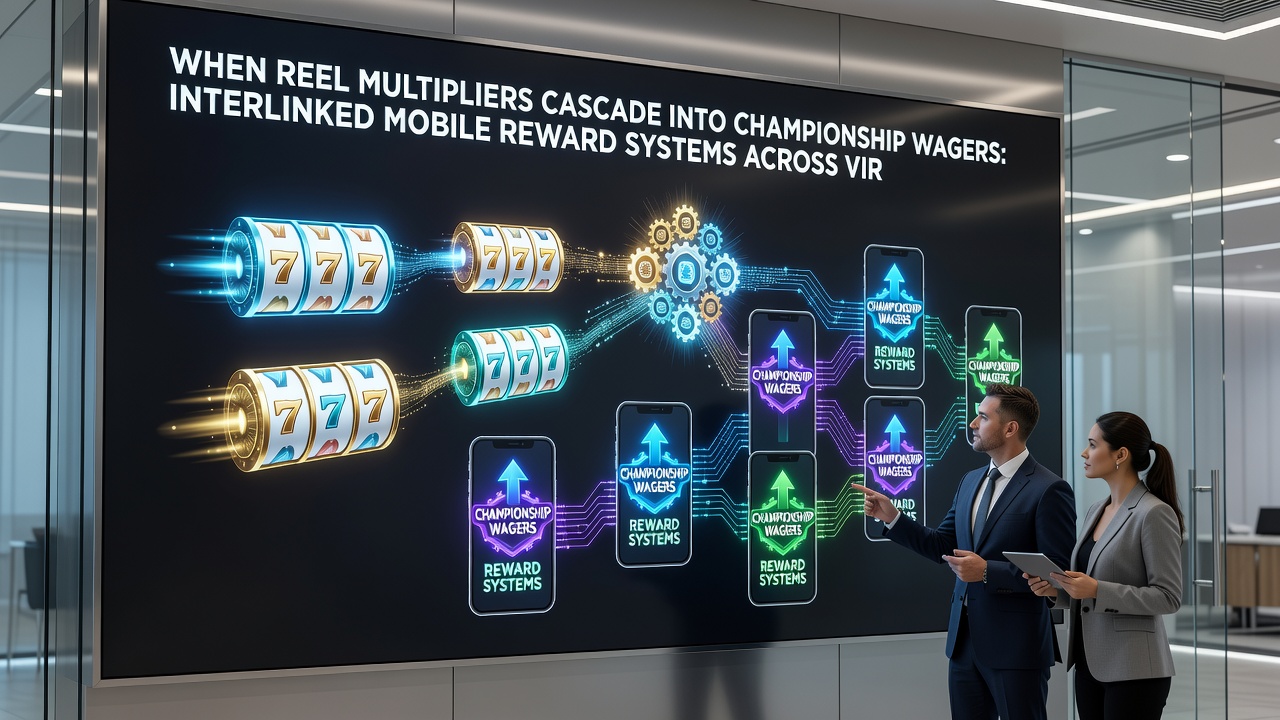
Technical infrastructure behind these connections includes secure token exchanges that verify player identity across game types while maintaining separate ledgers for regulatory reporting. In practice, a user who builds a multiplier chain on a mobile slot session might find that value reflected in available stake amounts for upcoming live matches, and the timing of these updates depends on the platform's synchronization schedule. Observers have recorded instances where peak championship periods, such as major league finals in August 2026, coincided with elevated use of cascaded rewards from earlier table game sessions.
Technical and Regulatory Considerations
Developers incorporate encryption protocols and audit trails to ensure reward transfers remain traceable, which satisfies requirements from bodies like the Nevada Gaming Control Board and the Malta Gaming Authority. These standards help platforms manage cross-category activity without violating rules on bonus usage or player fund segregation. Reports compiled by international research networks indicate that mobile systems handling such cascades must process thousands of concurrent transactions during major events, and the architecture often uses cloud-based ledgers to maintain consistency.
Operators also address responsible gaming elements by embedding limits on how frequently rewards can cascade and by providing clear disclosures about conversion mechanics. Data from academic papers published in 2025 highlighted that users benefit from transparent tracking tools that display the origin and destination of each multiplier value, reducing confusion during shifts between virtual tables and live markets. Platforms continue to refine these features based on usage patterns observed across different regions.
Future Developments in Mobile Reward Linkage
Industry analysts project further expansion of these interlinked systems as more operators adopt unified mobile frameworks that support both recreational and competitive play formats. Enhancements planned for late 2026 include predictive allocation of reel multipliers to anticipated live event opportunities, which would rely on machine learning models trained on historical player behavior. Sources from gaming research centers note that such advancements could streamline participation across virtual tables and championship wagers while maintaining compliance with diverse oversight structures.
Collaboration between technology providers and gaming associations has already produced standardized APIs that facilitate smoother reward movement, and these tools appear in applications serving multiple continents. Evidence suggests continued investment in these areas will keep pace with evolving player expectations for integrated experiences.
Conclusion
Interlinked mobile reward systems demonstrate how reel multipliers can transition into opportunities within live event markets and virtual table environments through coordinated technical and operational designs. Data collected through 2026 illustrates steady growth in these capabilities across regulated markets, supported by secure infrastructure and adaptive regulatory approaches from various international bodies. Platforms that implement these cascades effectively maintain separate tracking for each game category while offering users unified access to earned values.