Seasonal Event Overlays Align Virtual Wheel Outcomes with Live Prop Wagers on Mobile Platforms
Written by Clara Washington · Aug 9, 2026
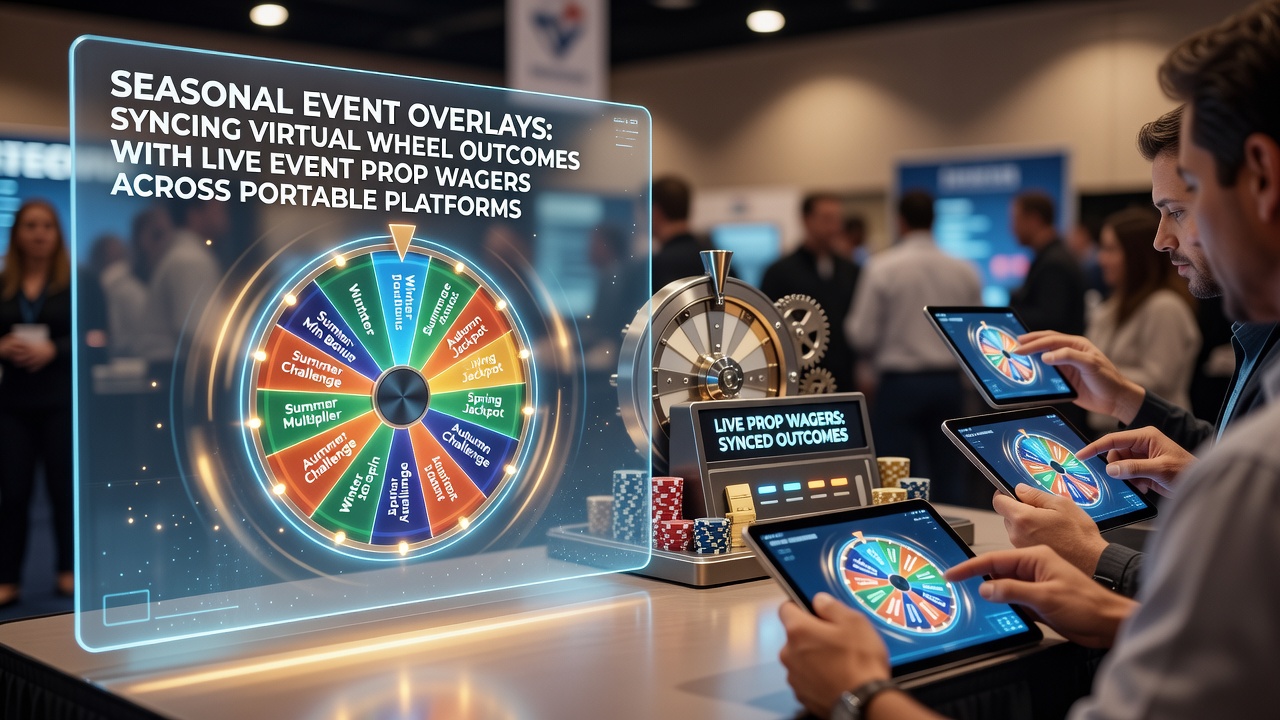
Seasonal Event Overlays Align Virtual Wheel Outcomes with Live Prop Wagers on Mobile Platforms
Portable platforms have integrated seasonal event overlays that connect virtual wheel mechanics directly to live event prop wagers, creating synchronized betting environments across smartphones and tablets. These systems pull data from real-time sports feeds while applying themed visual layers to random number generator wheels, allowing outcomes on one element to influence wager settlements on the other. Data from industry reports shows adoption rates climbing steadily through 2025 and into 2026 as operators refine the technical links between RNG sequences and prop bet triggers.
Technical Framework Behind the Syncing Process
Developers build these overlays using APIs that pull live event statistics into the virtual wheel logic, so a prop wager on a specific athlete's performance can alter reel weights or trigger bonus spins when certain thresholds appear during the match. The process runs on low-latency networks that update every few seconds, ensuring the wheel display reflects current game conditions without lag. Observers note that portable devices handle this through dedicated app modules that separate the RNG core from the overlay graphics, keeping the underlying probability models intact while the seasonal theme changes visuals and sound cues.
August 2026 brought new implementations during summer sports calendars, where baseball and tennis seasons overlapped with promotional periods. Operators deployed event-specific skins that mapped virtual wheel segments to prop categories such as strikeout counts or set winners, and users accessed these through standard mobile interfaces without additional downloads. Research from the University of Nevada, Las Vegas gaming labs indicates these layered systems maintain regulatory compliance by isolating the RNG function from the display layer, preventing any direct manipulation of outcomes.
Cross-Platform Compatibility and User Access Patterns
Portable platforms support these features through both iOS and Android ecosystems, with operators optimizing for varying screen sizes and processor speeds. Users engage by placing prop wagers first, then activating the synced wheel for instant visual feedback tied to event milestones. Figures from the American Gaming Association reveal that mobile sessions involving combined wheel and prop features increased by 18 percent year-over-year in markets where such integrations launched.
Seasonal Themes and Their Integration Mechanics
Seasonal overlays apply temporary rule adjustments that mirror live event dynamics, such as boosting certain wheel sectors during high-scoring periods or introducing prop-linked multipliers when specific statistical milestones occur. The system tracks player wagers across both elements simultaneously, settling virtual wheel results against live prop data streams. Those who have examined the architecture report that the overlays function as presentation layers only, leaving core probability calculations unchanged regardless of theme.
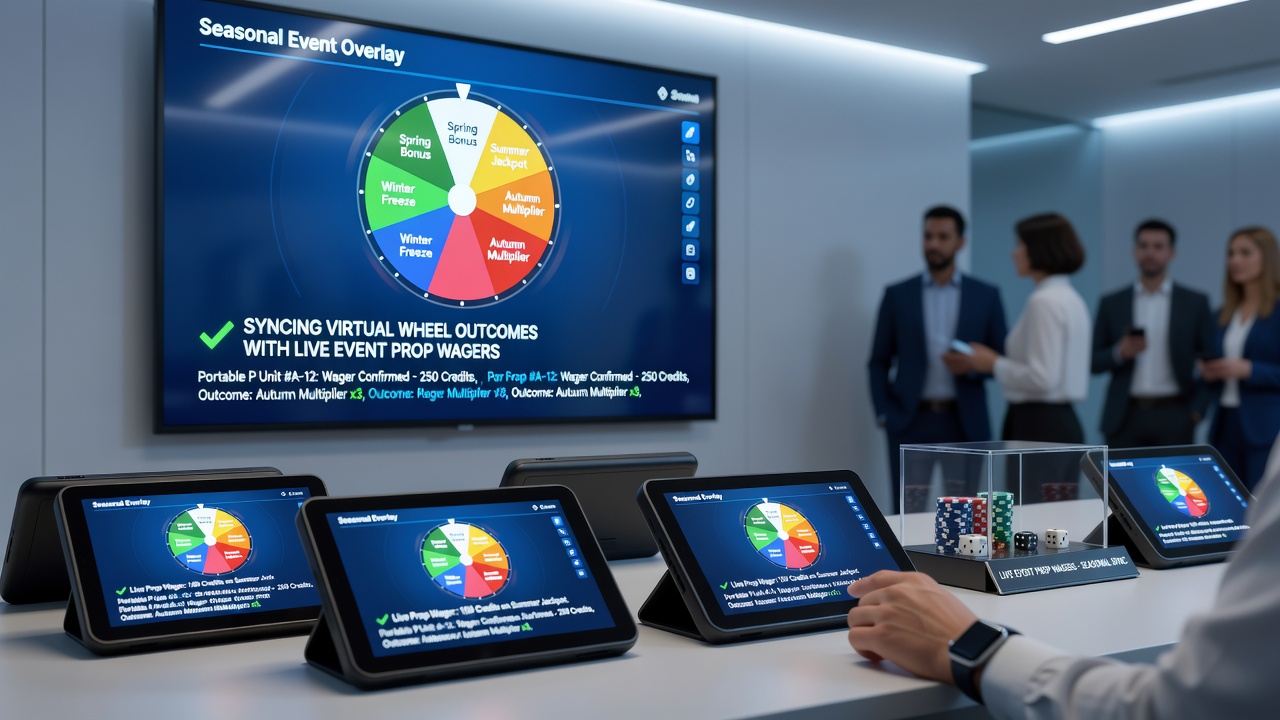
What's notable is how these features scale across different device types without requiring hardware upgrades, relying instead on software optimizations that adjust rendering based on available bandwidth. In practice, a user watching a live match can switch between prop bet placement and wheel interaction within the same session, with outcomes updating in real time as event data flows through the platform. A report issued by the Canadian Gaming Association highlights similar patterns in North American markets, where operators tested these integrations during major league seasons to measure engagement metrics.
Regulatory Context Across Regions
Multiple jurisdictions have examined these synchronized systems to confirm they meet existing standards for both RNG integrity and live betting transparency. European regulators outside the UK, including bodies in Malta and the Netherlands, have reviewed similar implementations and issued guidance on data separation requirements. Australian authorities through their state-level commissions have also monitored mobile platform developments, focusing on how overlays communicate prop wager results without altering underlying odds calculations.
Operators maintain audit trails that log every sync event between the virtual wheel and live prop data, allowing third-party testing firms to verify fairness across seasonal campaigns. Evidence from these audits shows consistent performance, with no measurable deviation in payout ratios when overlays activate. People who track industry metrics observe that the technology has expanded most rapidly in markets with established mobile betting infrastructure already in place.
Future Developments in Overlay Synchronization
Industry organizations continue to explore expanded applications, including multi-event syncing where one virtual wheel could reference props from concurrent sports fixtures. Portable platform updates scheduled for late 2026 aim to incorporate additional data streams such as weather conditions or crowd metrics into the overlay logic. Academic papers from institutions studying digital gaming interfaces suggest these advancements will rely on improved edge computing to reduce any remaining latency between live feeds and wheel displays.
Conclusion
Seasonal event overlays represent a technical bridge between virtual wheel mechanics and live prop wagering that operates consistently across portable platforms. The systems rely on established RNG protocols, real-time data feeds, and modular design principles that keep outcomes independent while delivering unified visual experiences. Data from regulatory reviews and industry associations confirms steady implementation through 2026, with operators focusing on compatibility and audit compliance rather than altering core betting mathematics. As portable device capabilities advance, the connections between these elements are expected to incorporate additional live data sources while maintaining the separation required by oversight frameworks.