Poker Variants Meet Endurance Event Betting Through Structured Incentive Tiers
Written by Iris Krause · Aug 16, 2026
Poker Variants Meet Endurance Event Betting Through Structured Incentive Tiers
Operators in regulated markets have begun linking poker variants such as Texas Hold'em, Omaha, and Seven-Card Stud with forecasting tools for endurance events including marathons, ultra-distance cycling, and triathlons, and they route these combinations through tiered incentive layers that adjust bonus values according to participation thresholds and accuracy metrics. Data from multiple jurisdictions show these hybrid offerings first appeared in test programs during late 2024, with broader deployment scheduled for August 2026 in several North American and Australian platforms.
Core Components of the Integration Model
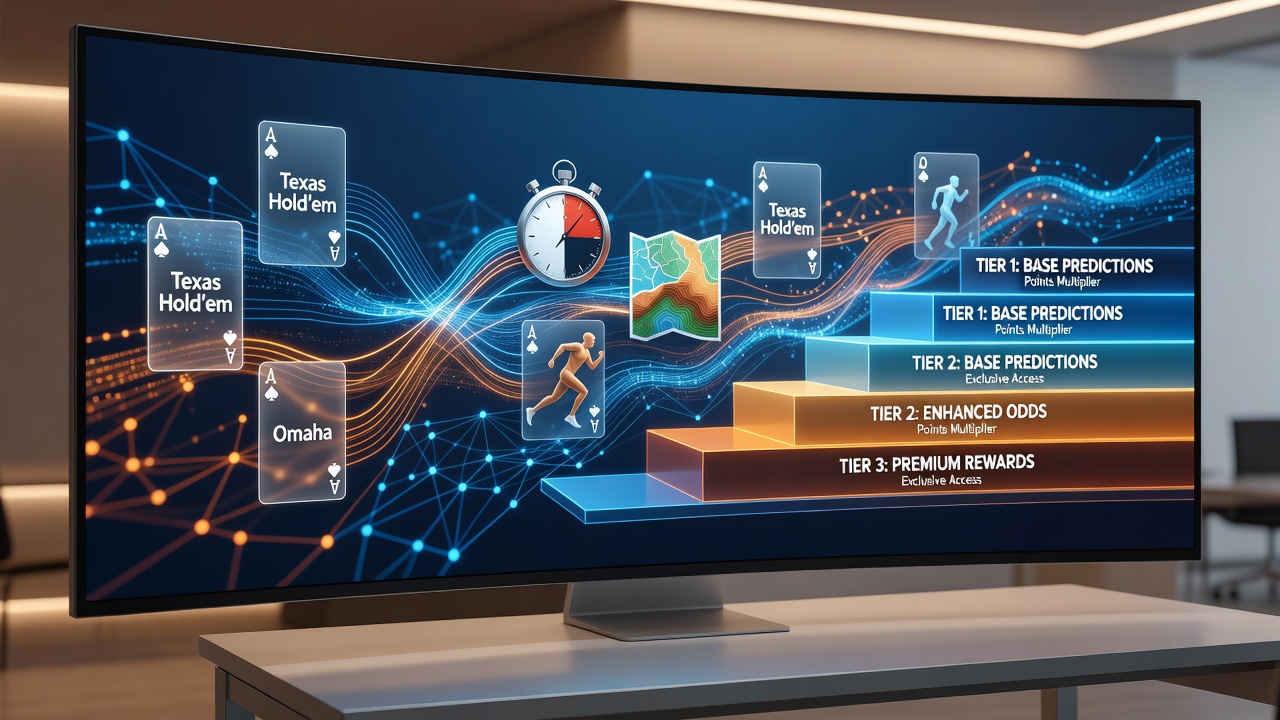
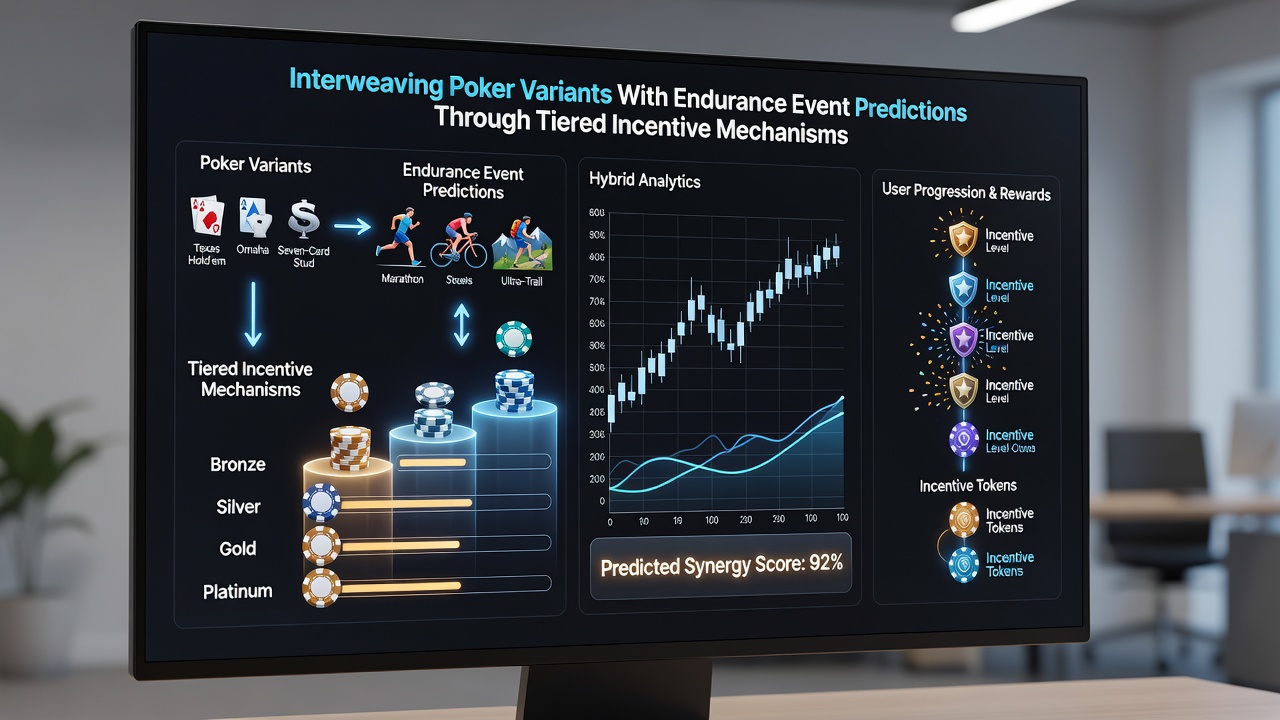
Each tier assigns a multiplier to base rewards when users complete a set number of poker hands while simultaneously submitting predictions on endurance event outcomes such as finishing times or placement brackets. The lowest tier activates after ten hands paired with one verified prediction, whereas higher tiers require fifty hands and three accurate forecasts before releasing enhanced payout percentages or additional tournament entries. Research compiled by the University of Nevada Reno Gaming Research Center indicates that these structures maintain separate ledgers for poker activity and endurance data, which prevents cross-contamination of house edges while still allowing combined bonus calculations.
Technical Architecture Behind Tier Progression
Platforms record poker hand counts through real-time APIs that feed into a central rewards engine, and they validate endurance predictions against official results published by event organizers. When thresholds are met, the engine automatically upgrades the user's status and applies the corresponding multiplier to future wagers or prize pools. Observers at industry conferences in 2025 noted that latency between prediction submission and tier updates averages under four seconds on optimized mobile connections, although older systems still require manual reconciliation at the end of each event day.
Regional Regulatory Patterns Emerging in 2026
Canadian provincial regulators require operators to publish tier advancement rates quarterly, and early filings from Ontario show that roughly 12 percent of active accounts reached the second tier within the first month of availability. Australian authorities, through the Australian Communications and Media Authority, have requested similar transparency reports starting August 2026 to monitor whether endurance prediction volumes remain proportionate to poker activity. These filings do not restrict product design but mandate clear disclosure of how combined rewards affect overall return-to-player percentages.
Player Behavior Metrics Reported by Operators
Internal dashboards shared at trade events reveal that users who engage both poker variants and endurance predictions exhibit session lengths 18 percent longer than those who play either product in isolation. Average bet sizes on poker remain stable across tiers, while endurance prediction stakes tend to increase once participants unlock the third incentive level. Figures released by the European Gaming and Betting Association in its 2025 annual review document similar patterns across five member countries that permit such bundled offerings.
Implementation Challenges and Platform Adjustments
One recurring issue involves synchronization between poker hand histories and official endurance results that sometimes arrive days after an event concludes. Several operators addressed this by placing tier upgrades on hold until results receive final confirmation, thereby avoiding disputes over premature bonus distribution. Another adjustment involved capping the number of endurance predictions allowed per poker session to maintain compliance with local rules that treat prediction markets as a distinct vertical from table games.
Future Adjustments Scheduled for August 2026
Platform roadmaps indicate that new endurance events such as the August 2026 Ironman series in North America will receive dedicated prediction categories with their own tier multipliers. Developers are also testing whether Seven-Card Stud variants can feed into the same incentive engine without requiring separate tracking modules. These expansions remain subject to final approval from each jurisdiction's licensing body before activation.
Conclusion
Current implementations demonstrate that tiered incentive mechanisms can connect poker variants with endurance event predictions while preserving separate compliance tracks for each activity. Data collected through 2025 and into 2026 will determine whether these structures expand further or encounter additional operational constraints across different regulatory environments.