Payment Cycle Patterns Fueling Incentive Structures for Mobile Live Dealer Games and Athletic Props
Written by Clara Washington · Aug 23, 2026
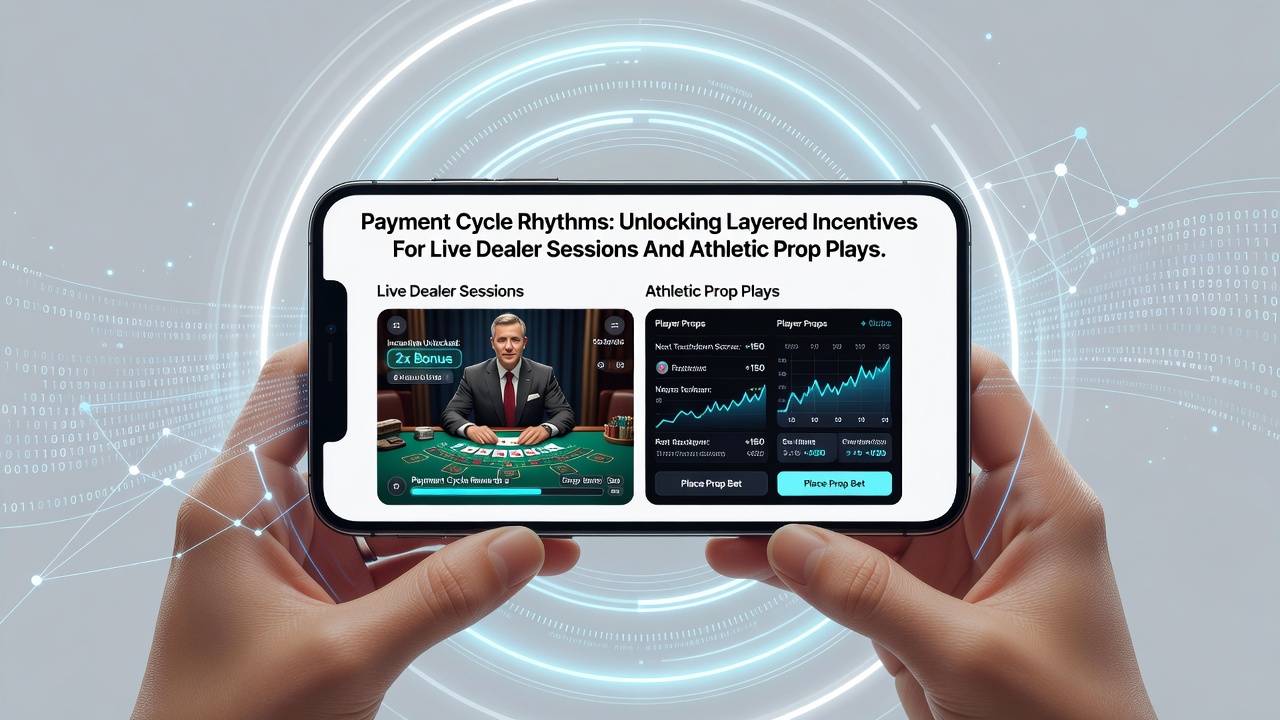
Payment Cycle Patterns Fueling Incentive Structures for Mobile Live Dealer Games and Athletic Props
Payment processing intervals in mobile gambling platforms have developed distinct rhythms that align deposit and withdrawal cycles with reward releases, and these patterns now shape access to layered incentives during live dealer sessions as well as athletic prop plays. Data from industry reports indicate that synchronized timing between funding events and game participation allows operators to distribute bonuses at points when user engagement peaks, particularly on smartphones where session lengths average shorter bursts throughout the day. Observers note that many platforms structure their payment cycles around 24-hour and 72-hour windows, which coincide with common live dealer table rotations and in-play prop bet windows in sports such as basketball and soccer. When a user completes a deposit within these windows, automated systems trigger additional incentive layers including cashback percentages or boosted odds on specific prop outcomes, and these mechanisms operate without manual intervention once the cycle parameters are met.Timing Mechanisms in Mobile Payment Flows
Research from the American Gaming Association shows that mobile payment authorization times have shortened to under 15 seconds on average for verified accounts, and this speed enables seamless transitions from deposit confirmation to active participation in live dealer environments. Those who track transaction data find that platforms often stagger incentive unlocks across multiple stages: an initial match bonus activates immediately upon deposit, a second layer releases after a set number of hands or spins within the live session, and a third layer ties to prop bet settlements that occur later in the same cycle. But here's the thing, the alignment of these stages with athletic prop plays creates opportunities for users who time their smartphone sessions to match both dealer table schedules and sports event timelines. Figures from August 2026 reveal increased activity in combined live dealer and prop bet formats during evening hours in multiple regions, when payment cycle resets frequently overlap with major league game starts.Integration of Live Dealer Sessions With Prop Play Incentives
Live dealer platforms incorporate payment cycle triggers that release session-specific rewards once a minimum transaction threshold is reached, and these rewards often extend to athletic prop markets through shared account balances. Experts have observed that systems now link dealer game outcomes directly to prop bet eligibility, allowing accumulated credits from one activity to fund enhanced stakes in the other without additional processing delays.
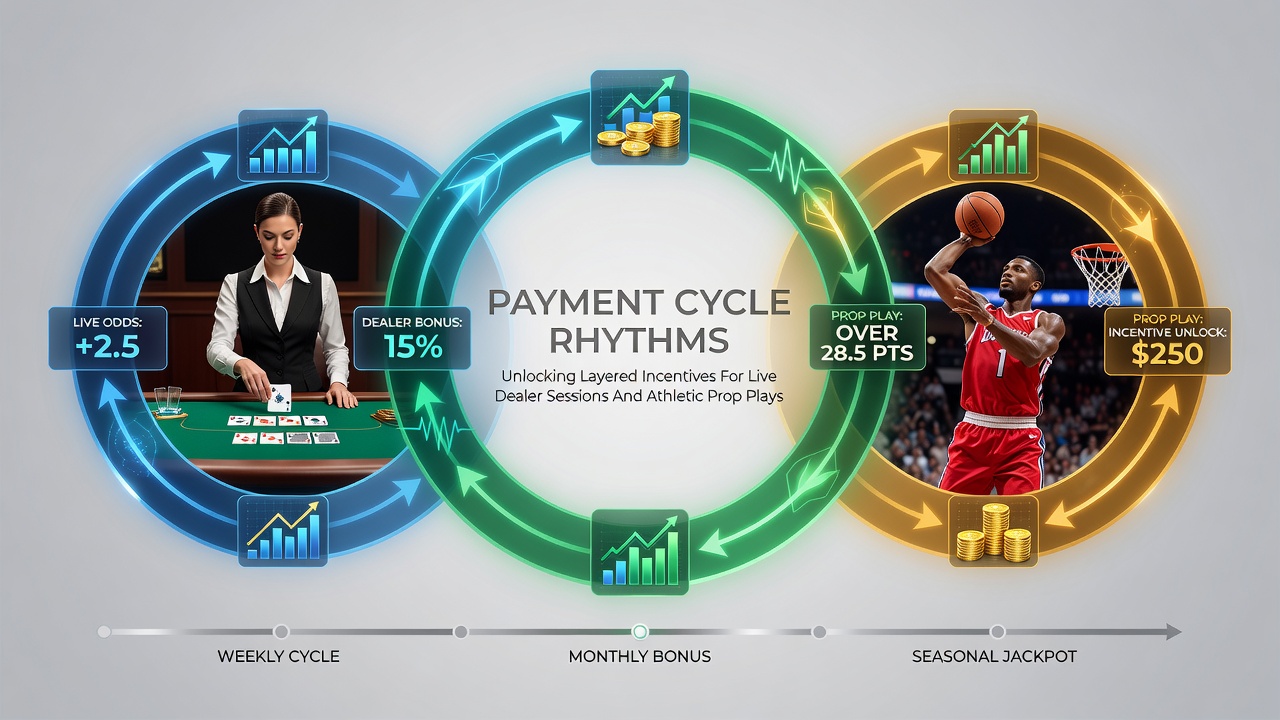 One study from the University of Nevada, Las Vegas gaming research division documented how cycle-based incentives increased average session duration by coordinating reward releases with both dealer card reveals and prop bet resolutions. Platforms achieve this through backend algorithms that monitor transaction timestamps and automatically apply the next incentive layer when predefined rhythm conditions are satisfied, and users receive notifications on their devices at each stage.
Regional Regulatory Influences on Cycle Structures
Regulatory frameworks outside the UK have shaped how payment cycles interact with incentive programs, and the European Gaming and Betting Association has published guidelines encouraging transparent disclosure of cycle timings to users. In Australia, state-level oversight requires operators to report cycle-linked bonus structures as part of responsible gaming measures, which has led to standardized notification formats across smartphone applications.
Data indicates that these requirements have prompted platforms to embed clear explanations of rhythm-based incentives within account dashboards, allowing users to anticipate when layered rewards become available during live dealer or prop bet activities. Canadian provincial regulators have similarly examined how payment intervals affect bonus stacking, resulting in updated consumer protection standards that took effect in several provinces during 2025 and carried forward into 2026.
Technical Implementation on Smartphones
Smartphone applications handle payment cycle rhythms through encrypted APIs that communicate with banking partners and gaming servers simultaneously, and this integration permits real-time updates to incentive availability. Developers have incorporated biometric authentication points that coincide with cycle resets, reducing friction when users move between live dealer tables and athletic prop selections within the same session.
Those who analyze usage patterns report that devices with faster processors experience fewer interruptions during these transitions, which in turn supports higher completion rates for multi-layer incentive programs. The technical architecture relies on timestamp synchronization across servers located in different time zones, ensuring consistent rhythm application regardless of user location.