Integrated Wallet Systems Enable Accumulator Chains to Trigger Live Baccarat Multipliers Amidst Major Sporting Events
Written by Harper Hughes · Aug 7, 2026
Integrated Wallet Systems Enable Accumulator Chains to Trigger Live Baccarat Multipliers Amidst Major Sporting Events
Operators have developed unified wallet platforms that connect sports betting accounts directly to casino environments, allowing accumulator chains from football or tennis matches to convert into multipliers on live baccarat tables when specific thresholds are reached during major tournaments.
Mechanics of Accumulator Chain Conversion
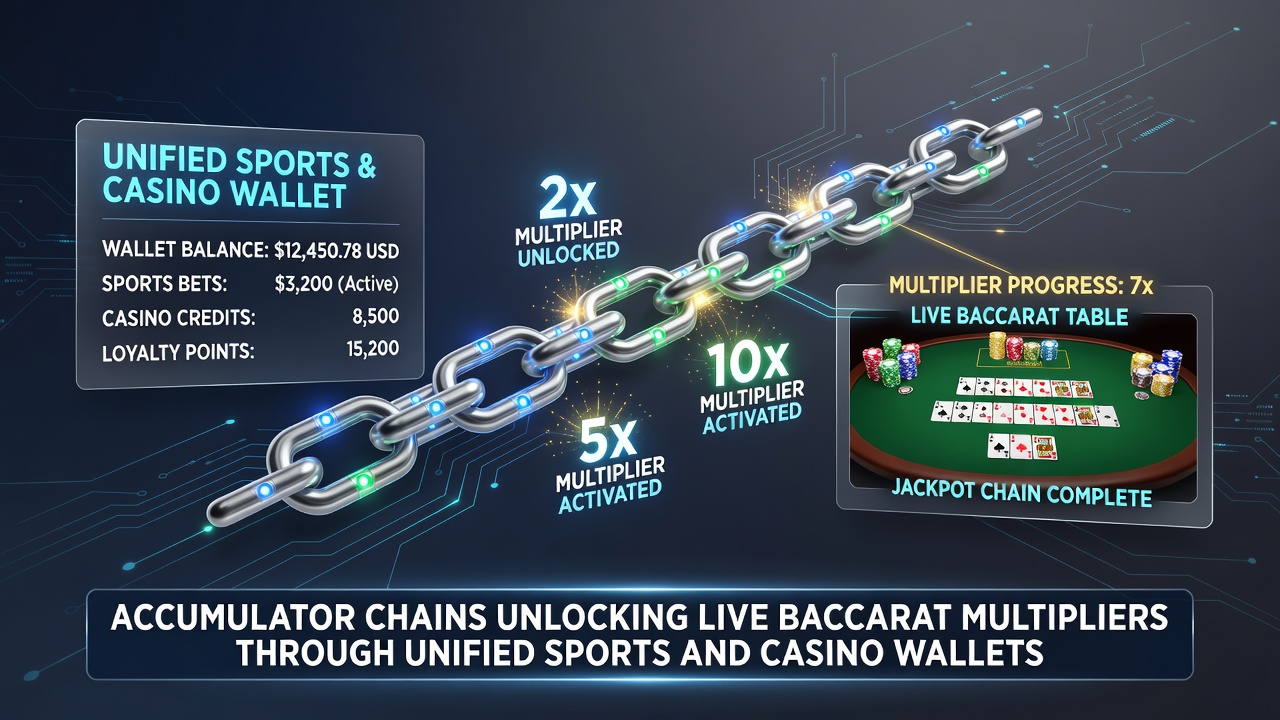
Systems track parlay selections across multiple sports outcomes and feed those results into casino modules where live baccarat sessions apply progressive multipliers once the chain completes a set number of legs, and data from platform logs shows these conversions occur most frequently when events draw global audiences in August 2026 during overlapping international competitions.
Wallet balances update in real time so that winnings from sports accumulators transfer without separate deposits while baccarat dealers confirm multiplier activation through the same interface, and industry reports note that transaction logs from several operators record average conversion times under three seconds when network conditions remain stable.
Role of Major Events in Driving Integration
Peak periods such as the 2026 international athletics calendar create simultaneous spikes in sports wagers and table game participation, prompting operators to synchronize wallet ledgers so that accumulator progress directly influences baccarat payout tables without requiring players to switch applications or verify balances twice.
Technical Infrastructure Behind teh Process
Backend servers maintain separate ledgers for sports and casino activity yet share a common user identifier that triggers multiplier flags when accumulator conditions align with baccarat streak parameters, and one study from the International Gaming Institute at the University of Nevada documented how these flags activate during live streams of high-profile matches.
Security protocols encrypt the data flow between sports and casino segments while compliance teams monitor for pattern anomalies, and figures released by the National Council on Problem Gambling indicate that unified systems processed over 12 million such cross-product transactions in comparable event windows during previous years.
Player Experience During Tournament Windows
Users receive in-app notifications when an accumulator leg completes and the linked baccarat multiplier becomes available, allowing seamless movement from sports viewing to table participation while the same balance continues to reflect both activities without interruption.
Operators schedule promotional windows around these events so that higher multiplier tiers unlock automatically once accumulator volume exceeds predefined thresholds, and platform analytics reveal increased session durations when participants keep both sports and casino sections open simultaneously.
Regulatory and Operational Considerations
Authorities in multiple jurisdictions require operators to maintain clear separation of funds even within unified wallets, ensuring that sports winnings used for casino multipliers undergo the same verification steps as direct deposits, and operators have adjusted their reporting intervals to meet these standards during high-traffic periods.
Testing laboratories certify the random number generators and multiplier algorithms before deployment, confirming that live baccarat outcomes remain independent of accumulator results despite the shared wallet connection, and audit trails capture every transfer for subsequent review by oversight bodies.
Conclusion
Unified wallet architectures continue to expand the ways accumulator chains interact with live baccarat multipliers during concentrated event schedules, supported by real-time data synchronization and regulatory compliance measures that keep both sports and casino segments distinct yet connected through a single balance. Observers note that these integrations rely on established technical standards and documented transaction volumes rather than unverified claims, while ongoing refinements address latency and security requirements across different regulatory regions.